Tariff Tango: Good Cop, Bad Cop, and the Bond Market
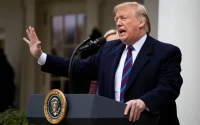
The "Good Cop, Bad Cop" Routine The article mentioning Trump's tariff team and their "good cop, bad cop" routine with Scott Bessent, Howard Lutnick, and Pete Navarro is interesting. The idea that Bessent, with his bond market background, managed to get Trump to "pay attention" to the bond market's reaction is plausible. Trump's initial plan to impose reciprocal tariffs was met with backlash from the business community. Bessent, Treasury Secretary at the time, allegedly swayed Trump by highlighting the negative market reaction, thus pausing the implementation of tariffs for most countries, while increasing levies on China. (A classic Trump maneuver, if you ask me.) how Trump's tariff team kept world guessing What's not clear is the long-term strategy here. Is this just a negotiating tactic? A way to strong-arm countries into bilateral deals? Or is there a genuine belief that tariffs will "bring jobs back" to the US? The data on that is, shall we say, inconclusive.Beyond Tariffs: A New Global Trade Order?
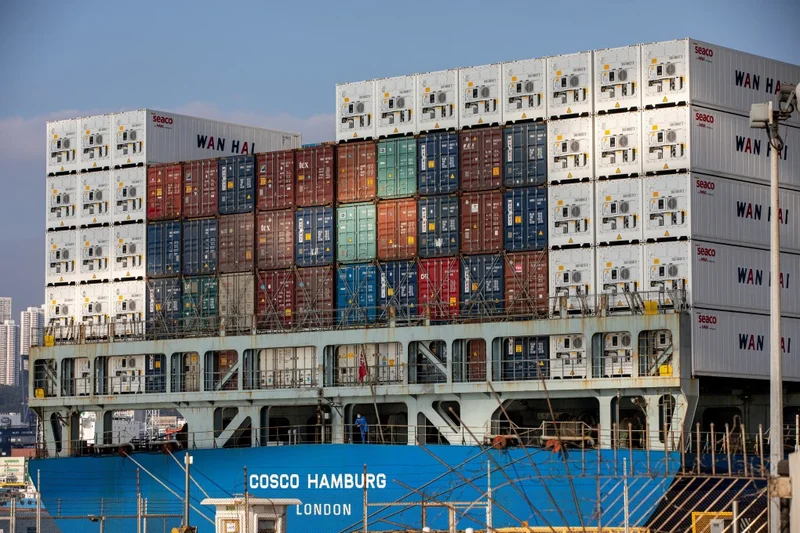
The Geopolitical Shuffle Here's where things get interesting. While the US is playing tariff games, other countries are actively reshaping their trade relationships. Canada is cozying up to ASEAN, South Korea, Indonesia, and Vietnam are pursuing new trade agreements with the EU and Australia. Indonesia is apparently close to finalizing a deal that would eliminate most tariffs with the EU. This isn't just about mitigating the impact of tariffs; it's about navigating an increasingly fragmented global economy. Trade flows are being reshaped by strategic considerations that go deeper than tariffs. Global trade rebounded by around $300 billion in the first half of 2025, but most of those gains were in developed economies. Developing-country exports and south-south flows have been relatively weak. The data also point to a decline in trade concentration and nearshoring, indicating a gradual shift away from hyper-centralized production networks and towards more politically aligned and diversified trade relationships. Tariffs return to centre stage, and other news to know I've looked at hundreds of these trade reports, and I keep coming back to the same question: are these shifts temporary, or are we witnessing a fundamental restructuring of the global economy? Currency markets are also reflecting this shift. Despite higher US interest rates, the dollar has weakened, while the euro has gained ground. Some European officials are even talking about a "global euro moment," an opportunity to strengthen the currency's international role as trust in the dollar falters.Tariffs on Trial: A Calculated Chaos?
The Supreme Court Weighs In The Supreme Court's skepticism about Trump's use of the International Emergency Economic Powers Act to impose tariffs is significant. If the court rules against Trump, it would make a bunch of his tariffs illegal. However, tariffs like the ones he's imposed on goods like steel and aluminum would remain in place. If the high court ruled against the president, it would be the first time they have tried to rein in his power. That's a big deal, and it suggests that even the judiciary is starting to question the administration's trade policies. The Math Just Doesn't Add Up The problem with tariffs, as always, is the downstream effect. It’s like slapping a tax on consumers and businesses, plain and simple. These tariffs are supposedly about protecting American jobs, but the data suggests they're more likely to raise costs for businesses and consumers, leading to decreased competitiveness and, ironically, job losses in some sectors. The administration's tax cuts, while benefiting high-net-worth individuals and high-income earners, don't offset the negative impact of tariffs on the broader economy. The lifetime exemption for estate and gift taxes set at $15 million per individual and $30 million per married couple, up from $13.99 million and $27.98 million limits. Bonus depreciation has been extended, so businesses can deduct 100% of the cost of qualifying assets. The Tariff Tango: More Like a Slow-Motion Train Wreck The question isn't whether Trump *can* impose these tariffs; it's whether he *should*. And based on the available data, the answer is a resounding no. The muted market reaction might embolden him to escalate further, but that would be a mistake. The global economy is already shifting, and these tariffs are only accelerating that process. We're seeing a reconfiguration of global trade and financial flows, and the US risks being left behind. So, Who's Really Paying the Price? The data paints a pretty clear picture: Trump's tariff policies are a gamble with potentially disastrous consequences. It's a calculated chaos, sure, but the calculation seems to be based more on political expediency than sound economic principles. And in the end, it's the American consumer who's going to be paying the price.